
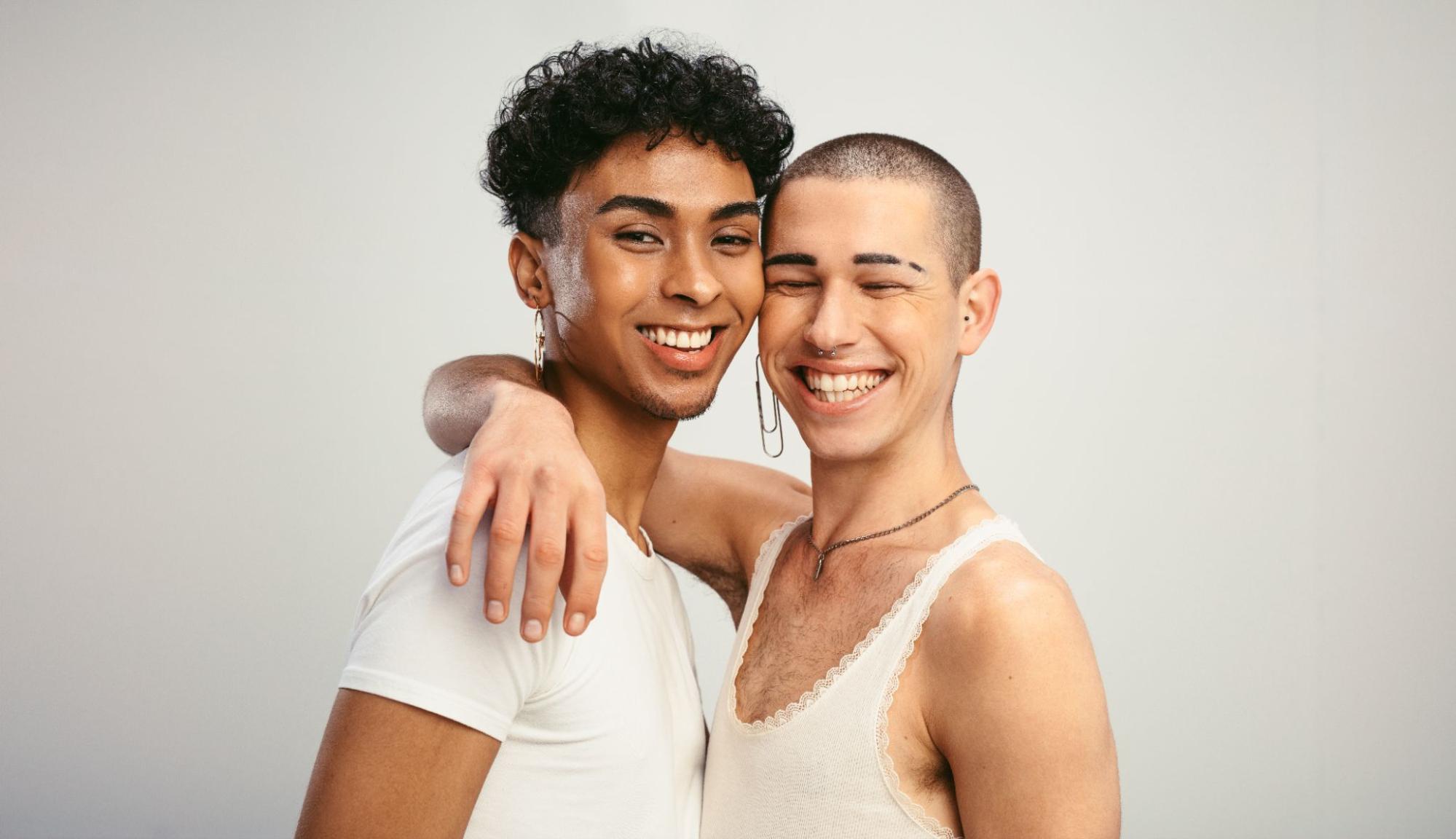
Understanding gender identity begins with understanding belonging. Feeling seen, accepted, and safe to be yourself is at the heart of every healthy community, especially for young people exploring who they are. Many people wonder what gender identity is and how it shapes the way individuals understand themselves. Gender identity refers to a person’s deeply felt internal sense of being male, female, a blend of both, neither, or somewhere along a broader gender spectrum. It is an essential part of who someone is, influencing how they experience and navigate the world.
Gender identity may align with or differ from the sex a person was assigned at birth. For some, this alignment feels natural and consistent. For others, there may be a gap between physical characteristics and inner identity, which can lead to self-exploration, transition, or the use of different pronouns and expressions to feel affirmed.
This inner understanding develops over time and can evolve as individuals grow, reflect, and gain more freedom to express themselves authentically. It is not a choice or a phase but an integral part of each person’s humanity.
At TaskForce Prevention and Community Services (TaskForce), we see every person’s journey with gender identity as an opportunity for understanding and empowerment. Through our prevention, mental wellness, and safe space programs across Chicago’s West Side, we help people of all identities feel recognized, respected, and supported as they discover who they are.
Understanding the Meaning of Identity
To understand the meaning of gender identity, it helps to start with the idea that identity exists within each of us. Gender identity is not something visible from the outside; it is an internal and deeply personal understanding of who we are. This sense of self can include being a man, a woman, both, neither, or existing somewhere along the gender spectrum.
Because gender identity is internal, it may not always match what others assume based on appearance or the sex assigned at birth. Sex refers to biological traits such as chromosomes, anatomy, and hormones, while gender identity describes how someone experiences themselves on the inside. The two can align for some people, but for many others, they differ in meaningful ways.
Gender identity is also separate from sexual orientation. The meaning of sexual orientation relates to whom someone is emotionally, romantically, or physically attracted to, while gender identity describes who they are as a person. Understanding these distinctions helps foster empathy and acceptance, ensuring that everyone’s experience is seen as valid and deserving of respect.
We help individuals and families navigate these conversations with compassion and care. Through our safe space and community outreach programs, we provide education and support that empower youth and adults across Chicago’s West Side to explore identity without fear or judgment.
Learning about gender identity isn’t just about definitions. It’s about creating understanding, building confidence, and making every person feel like they belong.
Examples of Gender Identity
People often ask what gender identity is and how it appears in everyday life. Gender identity is deeply personal and cannot always be seen or assumed based on appearance. Understanding the different ways people identify helps us recognize the diversity of human experience and why each person’s identity deserves respect. The following examples highlight just a few of the many ways individuals understand and express their gender.
Cisgender
Cisgender describes individuals whose gender orientation aligns with the sex they were assigned at birth. For example, someone assigned female at birth who identifies as a woman, or someone assigned male at birth who identifies as a man, would be considered cisgender. This alignment often means that their internal understanding of gender matches the expectations society associates with their sex.
However, being cisgender does not mean everyone expresses gender the same way. A cisgender woman may enjoy clothing or behaviors traditionally labeled masculine, while a cisgender man may express himself in ways that challenge gender stereotypes. These differences highlight that gender expression and gender identity are not identical. Understanding gender identity meaning involves recognizing that identity exists internally, while expression is how that identity is shared outwardly.
Acknowledging cisgender identity as one part of the broader gender spectrum helps build empathy and reduces the assumption that any single experience is “normal” or universal. We emphasize that every person’s relationship with gender is unique. Through our education and prevention programs, we encourage open conversations that replace judgment with understanding.
Transgender
Transgender is an umbrella term for people whose gender identity differs from the sex they were assigned at birth. A transgender woman, for instance, was assigned male at birth but knows herself to be female. A transgender man was assigned female at birth but knows himself to be male. Many others identify as transgender but may use more specific terms such as nonbinary, agender, or genderqueer to describe their experience more precisely.
Being transgender is about identity, not appearance or medical transition. Some transgender individuals pursue social or physical transitions, such as changing their name, pronouns, or body presentation, while others may not. What matters most is self-recognition and authenticity. Understanding this distinction helps clarify the difference between gender identity vs sexual orientation; gender identity concerns who someone is, while sexual orientation describes whom they are attracted to.
Transgender people exist in every culture and throughout history. They contribute to communities, workplaces, and families just like anyone else. When affirmed and supported, trans individuals thrive and lead fulfilling lives. Respecting their identities through correct names, pronouns, and representation is an essential act of inclusion and human dignity.
Our safe space and community outreach programs provide education and local support for transgender and nonbinary youth, helping them feel affirmed, connected, and safe to express who they are.
Non-Binary and Genderfluid
Non-binary and genderfluid identities remind us that gender is not limited to two categories. People who are non-binary may identify as both male and female, neither, or something entirely outside the binary framework. Genderfluid individuals experience a sense of identity that shifts over time, reflecting different expressions or energies depending on context, emotion, or personal growth.
These identities expand our understanding of what gender identity is by challenging traditional boundaries and emphasizing the full range of human experience. Non-binary and genderfluid people may use pronouns such as they/them, she/they, he/they, or others that best align with their sense of self. Their presentation may also vary; for instance, dressing in more traditionally masculine clothing one day and feminine clothing the next, or blending elements of both.
Cultural and generational shifts have made it easier for more people to explore and express non-binary and genderfluid identities openly. Yet discrimination and misunderstanding remain common, which is why education and visibility are crucial. Recognizing that these identities are valid and natural parts of human diversity helps foster empathy and dismantle stigma.
Through our safe space and community outreach initiatives, we continue to create spaces across Chicago’s West Side where individuals of every identity, including cisgender, transgender, and non-binary, can learn, connect, and grow with confidence.
Gender Identity vs Sexual Orientation
Understanding the distinction between gender identity vs sexual orientation is essential to building inclusive communities that honor every individual’s experience. While the two are often discussed together, they describe completely different aspects of who a person is.
Gender identity is about self-perception; an internal understanding of one’s own gender. It reflects how someone sees themselves and how they wish to be recognized by others. A person’s gender identity might be male, female, non-binary, genderfluid, or any other identity that feels true to their sense of self.
Sexual orientation’s meaning refers to whom someone is emotionally, romantically, or physically attracted to. This may include people of the same gender, a different gender, multiple genders, or no gender at all. To define sexual orientation simply, it is about attraction, not identity. For example, a transgender woman may be attracted to men, women, or both, just as cisgender people have diverse orientations.
Understanding gender identity vs sexuality helps prevent harmful assumptions and stereotypes. Gender identity does not determine who someone loves or how they express affection, and sexual orientation does not define their gender. When these ideas are conflated, it can lead to confusion, stigma, or even discrimination. Education and awareness are critical to dismantling these misconceptions and promoting empathy across communities.
Our mental wellness and violence prevention programs address these topics through inclusive education and advocacy across Chicago’s West Side.. We help individuals and families understand that both gender identity and sexual orientation are natural parts of human diversity. By creating space for learning and open dialogue, we promote acceptance, reduce stigma, and strengthen emotional well-being throughout our communities.
Gender Identity and Sexual Expression
Gender identity and sexual expression are closely related but distinct concepts. Understanding how they interact helps us appreciate the complexity of human experience. Gender identity describes who we are internally, while sexual expression reflects how we communicate aspects of that identity to the outside world. Together, they shape how individuals move through social spaces, relationships, and communities.
Sexual Expression Definition
To understand the definition of sexual expression, it helps to view expression as the outward display of identity through behavior, communication, and presentation. Sexual expression can include the way a person dresses, speaks, gestures, or connects with others. It reflects elements of personality, confidence, and self-awareness, often influenced by both gender and cultural expectations.
Importantly, sexual expression does not always align perfectly with gender identity. A person’s clothing, voice, or mannerisms may reflect comfort, experimentation, or safety considerations rather than a fixed part of who they are. For example, someone might express themselves differently at work than they do among close friends. These variations are natural and valid expressions of individuality.
Recognizing that expression exists along a spectrum encourages empathy and respect. Everyone deserves the freedom to express themselves authentically, without fear of judgment. Through our prevention and treatment programs, we help individuals and families understand how gender identity and expression intersect, and how self-expression plays a vital role in mental and emotional well-being. Our education and outreach efforts across Chicago’s West Side encourage open conversations that foster confidence, safety, and inclusion.
The Importance of Recognizing Identity
Respecting what gender identity is and understanding how it shapes each person’s life are essential steps toward equality and inclusion. When we recognize and affirm gender identity, we create communities where everyone feels safe to be themselves. This respect reduces stigma, challenges harmful stereotypes, and promotes mental and emotional well-being. Inclusion is not just about acceptance; it is about belonging, ensuring that every person is valued for who they are.
Pronouns play an important role in affirming someone’s gender identity. Using the correct pronouns communicates acknowledgment and respect. It may seem like a small gesture, but it carries powerful meaning, letting people know they are seen and validated. For individuals who have struggled to have their identities recognized, being addressed correctly can make a significant difference in how safe and supported they feel.
Language around gender is constantly evolving. As people gain new ways to describe their experiences, the terms they use may change. Listening and adapting to the words someone chooses for themselves shows empathy and builds trust. Respecting these changes is a key part of fostering equality and ensuring that everyone’s voice is honored.
We see this understanding as the foundation of community care. Through our programs, we help youth and families across Chicago’s West Side learn, listen, and grow together. We encourage anyone seeking guidance or affirmation to reach out for support. Because everyone deserves to feel respected, recognized, and free to express who they are.
How TaskForce Chicago Supports Gender Identity Education
At TaskForce, we believe education and connection are key to inclusion. Our programs help individuals, families, and communities better understand what gender identity means and why acceptance matters. Through workshops, school partnerships, and local outreach, we create safe spaces where people can ask questions, learn about gender and sexuality, and build empathy across differences.
Our safe space and community outreach initiatives give LGBTQ+ youth and allies across Chicago’s West Side a welcoming place to share experiences and access support. These programs also equip families and educators with tools to foster respect in homes, schools, and workplaces.
We advocate for LGBTQ+ rights and representation across Chicago and beyond. By connecting prevention, mental wellness, and advocacy, we work to ensure that inclusion is not just an idea but a daily practice throughout our communities.
Community involvement keeps this work moving forward. Whether through volunteering, sharing knowledge, or giving financially, every contribution strengthens our mission. To help sustain these efforts, consider donating or exploring other ways to get involved today.
Making Informed Choices for Inclusion
Every person’s gender identity is unique, valid, and worthy of respect. Recognizing this diversity helps build empathy, equality, and stronger communities where everyone feels seen and valued.
It is important to understand the difference between gender identity, sexual orientation, and sexual expression. Gender identity is an internal sense of self, sexual orientation is about attraction, and sexual expression is how identity is shared outwardly through behavior and presentation. Each stands on its own but contributes to the richness of who we are.
Inclusion grows through awareness and continued learning. Across Chicago’s West Side, TaskForce works every day to turn understanding into action through education, outreach, and support.
We invite you to explore our programs, learn about our advocacy work, and join us in fostering respect, compassion, and understanding for all. By getting involved, you help create a community where everyone can live authentically and without fear.