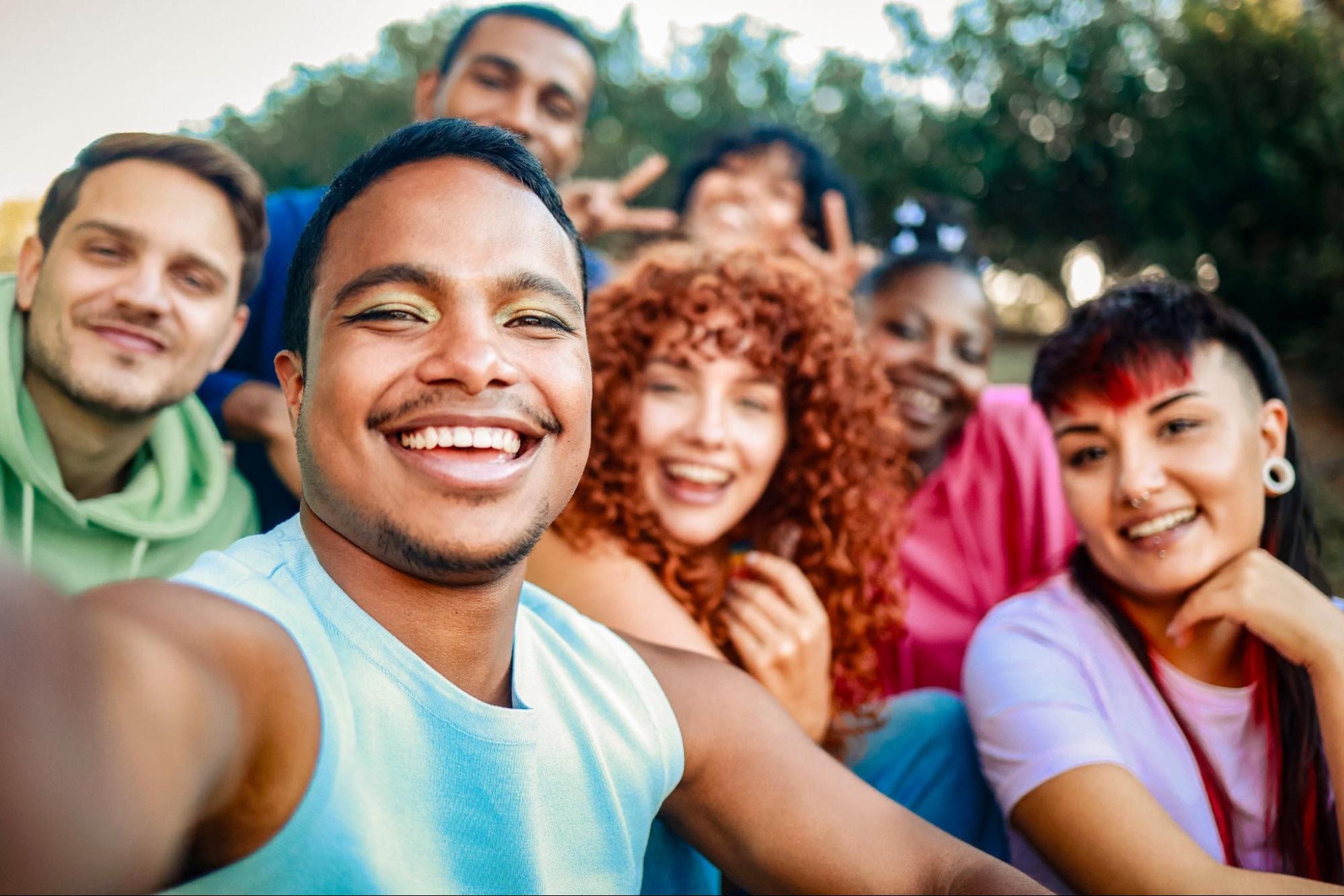
Many people ask what gender expression is and how it helps define the way we present ourselves to the world. Gender expression is the external presentation of gender through appearance, behavior, voice, and personal choices such as names and pronouns. It reflects how individuals communicate who they are (through clothing, hairstyle, movement, and mannerisms) and may or may not align with their internal gender identity.
While gender identity describes a person’s internal sense of self, gender expression focuses on outward cues that others can see. For example, someone may identify as female but choose clothing or hairstyles traditionally viewed as masculine. Both are valid expressions of who they are.
When people are free to express themselves authentically, they experience greater confidence, belonging, and self-acceptance. These moments of authenticity help build more inclusive communities where everyone feels seen and valued.
Respect for each person’s gender expression supports inclusion, safety, and overall well-being. This respect reflects the values that guide our work at TaskForce Prevention and Community Services (TaskForce), where we create programs that promote understanding, mental wellness, and equality across Chicago’s West Side.
Through education, advocacy, and community support, we help individuals explore and express who they are with confidence and pride.
Understanding How Expression Works
Gender expression plays an important role in helping people build confidence, feel included, and embrace self-acceptance. It is how people communicate who they are to the world around them, through clothing, body language, voice, and interactions with others. When people understand and are supported in expressing themselves freely, it fosters stronger connections, reduces stigma, and helps create more compassionate communities.
Gender expression is deeply personal, it can look different depending on the situation or environment. A person may express themselves one way at work and another way among friends or family, adapting to social norms or levels of safety. These shifts are normal and do not make anyone’s identity less real or valid.
Understanding what gender expression is helps us see that it is not a fixed trait. It can evolve over time as people grow more confident, explore new ways of presenting themselves, or find communities where they feel accepted.
We support this growth through education, advocacy, and safe spaces that empower individuals to express who they are without fear. By learning how expression works, we strengthen inclusion and promote mental wellness across Chicago’s West Side communities.
Examples of Gender Expression
Understanding the many examples of gender expression helps us recognize that gender is communicated in countless ways. Every person expresses themselves through a mix of choices, habits, and self-presentations that reflect their identity, culture, and comfort level. These forms of expression evolve across time, environments, and stages of life, reminding us that gender is both deeply personal and socially understood.
Style and Presentation
Clothing, hairstyles, and overall presentation are among the most visible ways people share who they are. Some individuals express gender through dresses, suits, or accessories, while others prefer androgynous or neutral clothing that feels truer to their sense of self. Color, fabric, and fit can all play a part in how a person communicates gender through their appearance.
Fashion trends and cultural traditions also influence how gender expression takes shape. In some cultures, specific garments or adornments carry gendered meanings that may differ entirely from those in Western contexts. For example, wearing a skirt, jewelry, or makeup may be viewed as feminine in one culture but neutral or masculine in another.
It is important to understand that presentation does not define identity. Style can be a reflection of joy, culture, and individuality; a way of feeling at home in one’s own skin. Supporting that freedom helps people feel seen and accepted in any space.
Behavior and Body Language
Gender expression also appears in the subtleties of movement and behavior. The way someone walks, sits, or gestures can express confidence, comfort, or even social conditioning related to gender norms. Hand movements, facial expressions, and eye contact may all contribute to how gender is perceived by others.
These behaviors are not universal. They are shaped by personality, upbringing, and cultural expectations. In some communities, people are encouraged to fit within rigid gender roles, while others allow for fluid, expressive, and nontraditional forms of behavior. Over time, as social acceptance expands, individuals have gained more freedom to move and express themselves naturally rather than conforming to prescribed standards.
Recognizing and validating these differences reduces stigma and helps create environments where people feel safe to express themselves without fear. Encouraging self-expression through movement and behavior reminds us that authenticity (not conformity) is what builds true connection.
Voice and Communication
Voice and language are powerful tools for gender identity expression. How someone speaks, including tone, pitch, volume, and rhythm, can convey elements of identity just as much as clothing or movement. For many transgender and nonbinary individuals, exploring voice can be an affirming part of expressing gender, whether through training, practice, or self-exploration.
Speech patterns and communication styles also vary. Some people might choose softer language, others more assertive tones, depending on personality and comfort. The words people use, how they express humor or empathy, and the confidence they show in conversation are all reflections of identity.
Every person’s voice deserves respect. There is no “right” or “wrong” way to speak in relation to gender. Listening with openness and care helps build trust, understanding, and a sense of belonging across our communities.
Names and Pronouns
Names and pronouns hold deep personal meaning and are often among the most important ways someone expresses identity. A chosen name can represent a new stage of self-understanding or a reclaiming of heritage. Pronouns affirm that identity in daily life, providing validation and recognition in personal, academic, and professional settings. These elements help illustrate what gender expression is in practice: the visible and social ways people communicate who they are to the world.
Using correct names and pronouns is a basic act of respect and a cornerstone of inclusion. Misusing or disregarding someone’s chosen identifiers can cause emotional harm and feelings of exclusion. Conversely, honoring them promotes belonging and mental well-being.
We understand that respecting names and pronouns is fundamental to equality. Through our safe space and community outreach programs, we support Chicago youth in expressing themselves authentically and feeling affirmed in who they are. These efforts strengthen empathy, reduce stigma, and build confidence for people to express gender freely and authentically.
Gender Identity vs Gender Expression
Understanding the difference between gender identity vs gender expression helps create a more inclusive and respectful community. Gender identity is a person’s deeply held sense of who they are, which may include being male, female, both, neither, or another identity entirely. It is internal and often shaped by many factors, including biology, culture, and personal experience. Because it is so deeply personal, no one else can define a person’s gender identity for them.
Gender expression, in contrast, is how that inner identity is communicated outwardly. It includes visible and social cues such as clothing, hairstyle, voice, mannerisms, and the name or pronouns a person uses. Understanding what gender expression is means recognizing that these external markers are simply ways of sharing identity with the world. Gender expression can be fluid, shifting across time or setting, and may not always align with someone’s gender identity. For example, a person who identifies as nonbinary may sometimes present in ways that appear more masculine or feminine depending on mood, culture, or safety considerations.
The relationship between gender identity and gender expression is unique to each individual. For some, they align naturally and consistently, while for others, they may vary or feel in tension due to external expectations. Neither experience is more authentic than the other. Recognizing and respecting both allows people to feel seen and valued for who they truly are, not just how they appear.
Acceptance of these differences plays a major role in mental and emotional well-being. When communities understand and affirm the full spectrum of identity and expression, they help reduce stigma, build trust, and create safer, more supportive environments for everyone.
Our mental wellness and violence prevention programs provide education, counseling, and outreach that promote understanding and inclusion across Chicago’s West Side. By connecting people with these resources, we help individuals explore their identities in safe, affirming spaces that strengthen both confidence and community.
Why Gender Expression Matters
Respecting gender identity expression is essential for building communities rooted in equality, inclusion, and compassion. When people are free to express who they are without fear or pressure, they experience greater self-esteem, belonging, and overall well-being. Authentic expression allows individuals to participate more fully in their relationships, workplaces, and communities, creating environments where diversity is seen as a strength rather than a difference.
This acceptance has a ripple effect. Families and peers who affirm gender expression help reduce stigma, while schools and employers that adopt inclusive practices promote understanding across generations. Respecting how someone dresses, speaks, or identifies does not require agreement; it requires empathy. Small actions, such as using correct pronouns or avoiding assumptions, send powerful messages that everyone deserves respect and safety.
Unfortunately, not all environments offer that acceptance. Discrimination, bullying, or exclusion can occur when a person’s gender expression challenges traditional expectations. Some may experience rejection from loved ones or harassment in public spaces. These forms of bias are more than social discomfort; they can have lasting emotional and psychological effects, increasing the risk of anxiety, depression, or self-isolation.
That’s why TaskForce prioritizes prevention and mental wellness in everything we do. Through education, outreach, and counseling, we help youth and families across Chicago’s West Side recognize that authenticity and safety go hand in hand. When people are supported in expressing themselves freely, it strengthens both individual confidence and community well-being.
Creating inclusive communities is one of the most effective ways to protect emotional health and prevent harm. Everyone deserves to feel safe and supported in expressing who they are. We encourage anyone seeking guidance, connection, or affirmation to get support. Our team is here to listen, provide education, and help individuals access resources that strengthen confidence, promote safety, and empower authentic self-expression.
Supporting Authentic Expression
Supporting authentic gender expression begins at home and extends into schools, workplaces, and communities. Families can create a strong foundation by listening, using respectful language, and affirming their loved one’s identity. Simple actions like asking about pronouns, respecting clothing choices, or allowing freedom in self-presentation show care and validation.
Schools and youth programs also play an important role by promoting inclusive education and implementing anti-bullying policies that protect all students. When educators model respect and provide accurate information about gender diversity, they help reduce stigma and foster empathy among peers.
Communities that create safe, inclusive environments make it easier for everyone to live openly. Local organizations, health centers, and advocacy groups can strengthen this support through training, outreach, and public awareness. Inclusive policies not only protect individual rights but also improve overall mental and emotional well-being.
We see this support in action every day through our prevention and treatment programs. These initiatives offer education, counseling, and wellness resources that empower people to express themselves freely while building healthier, more connected communities across Chicago’s West Side. When individuals feel safe to be themselves, it reduces isolation, strengthens resilience, and helps our neighborhoods thrive.
How to Get Involved With TaskForce Chicago
At TaskForce, we believe that lasting change begins with community involvement. Our workshops, outreach programs, and advocacy efforts provide education and support for LGBTQ+ youth, allies, and families across the city. These initiatives create spaces where people can learn, connect, and stand together in promoting understanding and acceptance.
We offer opportunities for volunteers to participate in public events, organize resource drives, and help expand access to inclusive education throughout the region. Whether you’re a parent, educator, ally, or youth advocate, your involvement helps strengthen the network of care that supports our mission. Every contribution of time, skills, or resources helps build a more inclusive and compassionate Chicago.
Supporting our mission also means helping ensure safe and affirming environments for everyone exploring their gender expression. When you contribute financially, you make it possible for us to continue vital programs that protect health, build confidence, and promote equality. To make a direct impact, consider donating or exploring other ways to get involved with us today.
Fostering Equality Through Respect
We know that every person’s journey with gender identity and gender expression is unique, valid, and deserving of respect. Recognizing and honoring this individuality builds stronger, more inclusive communities. When people feel safe to express who they are without judgment, they are more likely to thrive, contribute, and inspire understanding in others.
Gender identity refers to one’s internal sense of self, while gender expression is how that identity is presented outwardly through appearance and behavior. Sexual orientation, by contrast, describes whom someone is romantically or physically attracted to. These are distinct aspects of human experience, and respecting each one allows us to see the full picture of who someone is.
Equality begins with awareness, and awareness grows through education and connection. Across Chicago’s West Side, TaskForce creates spaces that turn awareness into action through advocacy, outreach, and programs that promote mental wellness and inclusion. Join us in creating a Chicago where everyone can express themselves freely, without fear or limitation. By getting involved or supporting our programs, you help build a community where authenticity, acceptance, and respect guide how we care for one another.