
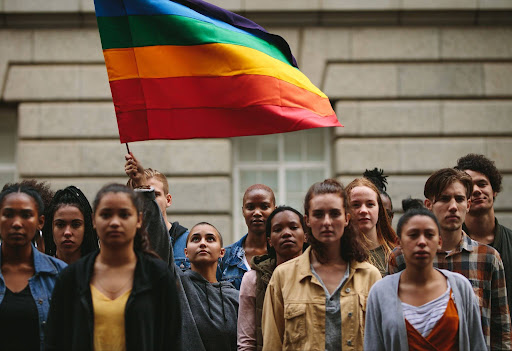
Domestic violence is a serious issue that can impact safety, well-being, and belonging. A common myth is that abuse only happens in heterosexual relationships, but it can also occur in same-gender and gender-diverse partnerships. Domestic violence is often referred to as intimate partner violence (IPV). In LGBTQ+ relationships, IPV can include emotional abuse, physical harm, sexual coercion, financial control, or threats meant to intimidate and isolate.
Domestic violence can affect people of all sexual orientations and gender identities. No identity protects someone from experiencing harm. Abuse is about power and control, not gender or orientation. When discussing LGBTQ+ intimate partner violence, it’s important to recognize that survivors may face unique barriers shaped by social stigma and systemic inequality.
Stigma, discrimination, and a lack of affirming services can increase risk and limit access to help. Survivors may fear being outed, not believed, or mistreated by service providers. Others may hesitate to seek support if past experiences with healthcare, housing systems, or law enforcement felt dismissive or unsafe. These realities make domestic violence a critical area of focus for community-based prevention and response efforts.
At TaskForce Prevention and Community Services (TaskForce), we work to address LGBTQ+ domestic violence through education, advocacy, and community-centered support across Chicago’s West Side. Our programs are designed to reduce harm, increase access to affirming care, and ensure that no one navigating intimate partner violence has to do so alone.
What Is LGBTQ+ Domestic Violence?
Domestic violence in LGBTQ+ relationships involves ongoing patterns of power and control within an intimate partnership. It includes behavior meant to intimidate, restrict freedom, or cause harm over time. This is not about ordinary conflict. It is about patterns of power and control that create fear or harm.
Intimate partner violence can occur whether partners live together or maintain separate households. Sharing a home is not required for abuse to take place. Harm may surface in dating relationships, long-term partnerships, or situations where partners primarily interact within overlapping social circles.
Abuse can also exist in both monogamous and non-monogamous relationships. The structure of a partnership does not determine whether harm is present. What defines domestic violence is the use of control and the creation of fear, not the label placed on the relationship.
Forms of Intimate Partner Violence
Domestic violence can take different forms. In many cases, more than one type of abuse is present at the same time. This overlap can make it difficult to recognize what is happening.
Physical Abuse
Physical abuse includes hitting, pushing, restraining, or any action that causes bodily harm. It can also involve physical intimidation, such as blocking exits or invading personal space to create fear. Even when visible injuries are not present, the threat of harm can control a survivor’s behavior.
Emotional and Psychological Abuse
Emotional abuse is often less visible but deeply damaging. An abusive partner may manipulate conversations, distort reality, or repeatedly undermine a person’s confidence.
In cases of LGBTQ+ intimate partner violence, abusers may threaten to disclose someone’s sexual orientation or gender identity without consent. They may also refuse to use a partner’s correct name or pronouns as a tactic of control.
Some abusive partners target gender expression directly. They may criticize appearance or shame a partner for how they present themselves. These actions are designed to erode confidence and increase dependence.
Sexual Abuse
Sexual abuse occurs when consent is pressured, ignored, or manipulated. A partner may use guilt, threats, or emotional leverage to push someone into sexual activity they do not want. Over time, this erodes autonomy and creates fear around intimacy.
Within LGBTQ+ intimate partner violence, sexual abuse can also involve controlling decisions about protection or testing. A partner may dismiss concerns about sexual health or refuse to respect boundaries related to safer intimacy. Learning about safe sex practices may help some survivors rebuild a sense of agency and make informed choices about their bodies, especially after experiencing coercion.
Sexual violence in LGBTQ+ relationships is often minimized due to harmful myths about what abuse looks like. Everyone deserves clear, freely given consent in every relationship.
Financial Abuse
Financial abuse involves restricting access to money or essential resources. An abusive partner may control bank accounts or interfere with employment.
These behaviors limit independence and can trap survivors in unsafe situations, particularly when outside economic support is limited.
Coercive Control and Isolation
Coercive control refers to ongoing behavior meant to dominate a partner’s daily life. This can include monitoring communication or limiting contact with supportive people.
An abusive partner may discourage connection to LGBTQ+ community spaces or block access to outside help. Isolation increases vulnerability and makes it harder to leave or seek support.
Prevalence of LGBTQ+ Domestic Violence
Research shows that domestic violence affects people across the lifespan. Studies indicate that lesbian, gay, bisexual, transgender, and queer individuals experience intimate partner violence at rates comparable to and often higher than their cisgender and heterosexual peers. These patterns are linked to stigma, discrimination, and barriers to affirming support, not to LGBTQ+ identity itself.
National data from public health agencies and academic studies suggest that bisexual individuals report especially high rates of domestic violence. Transgender and nonbinary people also face elevated risk, particularly when discrimination and economic instability are present. In many cases, abuse is compounded by fear of being outed or not believed.
LGBTQ+ youth are another group facing heightened vulnerability. Limited access to affirming services and community support can make it harder to identify abuse or seek help early. When stigma and social isolation intersect, the impact of intimate partner violence can deepen.
Domestic Violence Among LGBTQ+ Youth and Young Adults
For many individuals, LGBTQ+ domestic violence begins during adolescence or early adulthood. Early relationships may be shaped by secrecy, limited role models, or fear of rejection. These conditions can create an environment where unhealthy dynamics go unrecognized.
School climate can play a major role, especially when young people don’t have access to affirming support. When bullying, exclusion, or anti-LGBTQ+ rhetoric are present, young people may internalize shame or tolerate controlling behavior in relationships. Peer rejection can increase dependence on a partner, even when warning signs are present.
Lack of family acceptance also increases risk. Young people who fear being outed at home may hesitate to disclose abuse. In some cases, an abusive partner may weaponize this fear to maintain control.
Experiences related to transgender transition can further heighten vulnerability in unsupportive environments. A partner may criticize or undermine transition-related decisions, or attempt to control how someone expresses their gender. These behaviors reinforce isolation and dependency.
Exposure to violence at a young age can shape long-term mental health and future relationship patterns. Survivors may struggle with boundary-setting and self-worth well into adulthood. Early intervention and affirming support are critical in interrupting this cycle.
Barriers to Seeking Help for LGBTQ+ Domestic Violence
Many survivors of domestic violence hesitate to seek formal support. Fear of discrimination remains a major barrier. Some individuals worry they will not be believed, especially if service providers hold misconceptions about abuse in same-gender relationships or gender-diverse partnerships.
Past negative experiences with healthcare, housing systems, or law enforcement can also discourage reporting. If someone has previously faced bias related to their sexual orientation or gender identity, reaching out again may feel unsafe. Limited access to affirming shelters or culturally competent providers further reduces options.
The lack of visibly inclusive services can deepen this hesitation. When language and outreach materials do not reflect LGBTQ+ identities, survivors may assume the space is not designed for them. Expanding affirming services focused on mental wellness and violence prevention helps address these gaps and build trust within the community.
Community-Based Programs and Safe Spaces
Community-based programs are often the first point of contact for survivors who feel uncertain about formal systems. Inclusive spaces reduce the pressure to immediately disclose details while still offering connection and validation. This can be especially important for individuals who have previously experienced discrimination when seeking help.
Programs such as Safe Space and Community Outreach create environments where survivors can speak openly and rebuild trust at their own pace. These spaces center dignity and respect. Staff and peer leaders are trained to recognize the unique dynamics of domestic violence, including threats of outing or identity-based manipulation.
Safe spaces also reduce isolation. Many survivors withdraw from friends or community networks due to shame or coercive control. Reconnecting in affirming environments can restore a sense of belonging and help individuals regain confidence in their judgment.
In addition, community programs often provide safety planning guidance and education about relationship boundaries. By offering consistent access to supportive relationships, these initiatives strengthen long-term healing and increase the likelihood that survivors will seek further assistance when ready.
Getting Help and Ongoing Support
Survivors deserve access to confidential and affirming care. Those experiencing domestic violence can visit our get support page to connect with services tailored to their needs.
Our SAFE program provides Gender-Based Violence Prevention counseling designed to support individuals navigating abuse. This program focuses on safety planning, trauma-informed care, and long-term empowerment.
In addition, prevention and treatment programs offer education and resources that help individuals strengthen protective factors and build healthier relationship patterns over time.
No one should have to navigate intimate partner violence alone. Ongoing support can make the difference between surviving harm and reclaiming stability.
Advocacy and Prevention Efforts
Reducing domestic violence requires more than responding after harm occurs. Policy reform and community education both play a central role in prevention. When laws protect survivors and institutions are held accountable, barriers to safety begin to shift.
Community-led education also makes a measurable difference. Workshops, outreach campaigns, and peer-based conversations help challenge stigma that keeps abuse hidden. When people understand what LGBTQ+ intimate partner violence looks like, they are more likely to recognize warning signs and intervene early.
Ongoing advocacy initiatives strengthen this work by pushing for inclusive policies and equitable funding for affirming services. Community-based programs expand access to trauma-informed care and create spaces where survivors can seek help without fear of bias. Prevention becomes sustainable when local organizations remain actively engaged.
Legal protections are another critical layer of safety. Policies that protect identity and reduce discrimination contribute to long-term stability. Efforts such as strengthening transgender rights in Illinois help ensure that survivors can access housing, employment, and healthcare without added risk. When structural protections improve, the conditions that allow violence to thrive begin to weaken.
Violence prevention is most effective when advocacy, education, and community action work together. Each layer reinforces the others, creating safer environments for LGBTQ+ individuals across Chicago and beyond.
Taking Action to Support LGBTQ+ Survivors
Addressing LGBTQ+ domestic violence requires collective responsibility. Survivors are more likely to seek help when communities make safety visible and accessible. Individual action, when consistent, contributes to broader cultural change.
Readers can support survivors by speaking openly about LGBTQ+ intimate partner violence and directing others to affirming resources. Showing up for community events or educational programs also strengthens prevention efforts at the local level.
Getting involved helps sustain long-term change. Community-based prevention relies on volunteers, advocates, and partners who are committed to reducing harm and expanding access to support.
Financial contributions also make a direct impact. Choosing to make a donation allows survivor services and advocacy work to continue growing. Sustained funding ensures that counseling and affirming support remain available to those who need it most.
Safer communities are built through steady action. Every effort to increase awareness or expand support moves us closer to environments where LGBTQ+ survivors are protected and supported.