
Words of Encouragement for Someone Coming Out

Coming out is a deeply personal experience, and for many people, it can feel vulnerable. When someone shares this part of who they are, the response they receive can shape how safe and supported they feel in that moment. The right words of support can help them feel affirmed rather than questioned. A simple, caring […]
Myths and Facts About HIV and AIDS
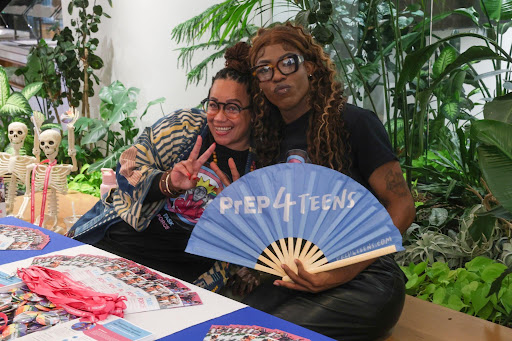
Outdated beliefs about HIV still create fear and confusion. When misinformation spreads, people may delay testing, avoid treatment, or feel ashamed for asking questions about their health. The truth is that HIV is now a manageable chronic condition with modern medical care. It’s not a death sentence. People with HIV who receive proper medical care […]
How Often Should You Get Tested for STDs

Many people have questions about how often they should get tested for STDs as part of maintaining their health. STD and STI testing is a normal and important part of sexual health and self-care. Many infections do not show signs right away. In some cases, symptoms may never appear, which means someone can carry and […]
What Is Inclusive Language

Inclusive language is a communication style that avoids words or tones that reflect prejudice, stereotypes, or discrimination toward particular people or groups. It helps people feel respected and included by using language that recognizes differences in gender, race, age, ability, sexual orientation, and lived experience. In simple terms, inclusive language means choosing words that reduce […]
Myths About Sexually Transmitted Diseases

Myths about sexually transmitted diseases, myths about STIs, and myths about STDs are widespread and often misunderstood. The reality is that anyone who is sexually active can be at risk of an STI. Risk is not limited by age, gender identity, sexual orientation, or number of partners. Understanding common STD and STI myths helps people […]
Understanding LGBTQ+ Mental Health

LGBTQ+ mental health is shaped by both individual experiences and broader social conditions. LGBTQ+ individuals experience higher rates of depression and anxiety, along with greater exposure to substance use and unmet care needs. Not because of who they are, but because of discrimination and social exclusion that continue to persist. Understanding LGBTQ+ mental health requires […]
LGBTQ+ Domestic Violence
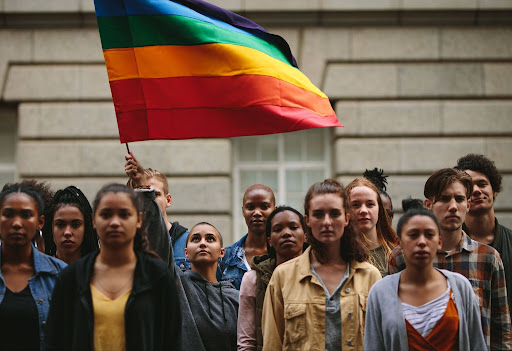
Domestic violence is a serious issue that can impact safety, well-being, and belonging. A common myth is that abuse only happens in heterosexual relationships, but it can also occur in same-gender and gender-diverse partnerships. Domestic violence is often referred to as intimate partner violence (IPV). In LGBTQ+ relationships, IPV can include emotional abuse, physical harm, […]
Genderqueer vs Nonbinary

Coming out is not a single moment or conversation. It is a personal process of deciding when, how, and with whom to share your identity. For some people, coming out happens gradually over time. For others, it may involve one intentional conversation. Understanding how to come out of the closet means recognizing that your experience […]
How to Come Out to Your Parents

Understanding What It Means to Come Out Deciding how to come out to your parents can feel both liberating and intimidating at the same time. For many LGBTQ+ people, sharing this part of themselves is an important step toward living honestly, but it can also bring uncertainty about reactions, relationships, and safety. If you are […]
How Long Can You Live With HIV?

For many people, one of the first questions after an HIV diagnosis is how long can you live with HIV. This question often comes with fear, uncertainty, and a need for clear, trustworthy information. Understanding HIV life expectancy helps individuals make informed decisions about their health and take steps toward long-term stability. At TaskForce Prevention […]